Homepage

Qizhe Li — Academic Homepage

I am a Ph.D. student in Computer and Information Engineering at The Chinese University of Hong Kong, Shenzhen, advised by Prof. Guangxu Zhu, and a visiting student at the Shenzhen Research Institute of Big Data.

My research focuses on intelligent networks and AI-RAN, exploring how machine learning,large language models and agents can advance wireless network intelligence. My earlier work studied uncertainty quantification, sensitivity analysis, and surrogate-based optimization.

Outside research, I enjoy playing tennis and photography. I am happy to connect, exchange ideas, and collaborate on intelligent networks and AI-driven systems. Get in touch!

🔥 News

  • 🎉 Our paper “Current status, applications, and prospects of 6G wireless network intelligence driven by large models and agents” has been accepted for publication in Information and Communications Technology and Policy.
  • One of our papers passed Phase 1 of the IEEE INFOCOM review process.
  • Two of our papers passed Phase 1 of the AAAI review process.
  • Our paper “QoEReasoner: An Agentic Reasoning Framework for Automated and Explainable QoE Diagnosis in RANs” has been submitted to IEEE Journal on Selected Areas in Communications (JSAC) for possible publication. [View demo]
  • We submitted our entry to the “2026 IEEE ComSoc Asia Pacific Board (APB) Communications Technology Competition”.
  • Our patent “Method, Apparatus, Device, and Storage Medium for Root-Cause Reasoning of Communication Network Data Anomalies” has been granted.
  • Our paper “Current status, applications, and prospects of 6G wireless network intelligence driven by large models and agents” has been submitted to Information and Communications Technology and Policy for possible publication.
  • We submitted a poster to the “2026 Greater Bay Area Graduate Research Forum”.
  • 🎉 Our paper “DK-Root: A Joint Data-and-Knowledge-Driven Framework for Root Cause Analysis of QoE Degradations in Mobile Networks” has been accepted by IEEE Transactions on Networking (ToN). [Read paper]
  • 🎉 Our paper “SemiRoot: A Semi-Supervised Deep Learning Framework for Root-Cause Analysis of QoE Degradations in Mobile Networks” has been accepted by IEEE ICC 2026. [Read paper]

📝 Publications

All publications →
202601
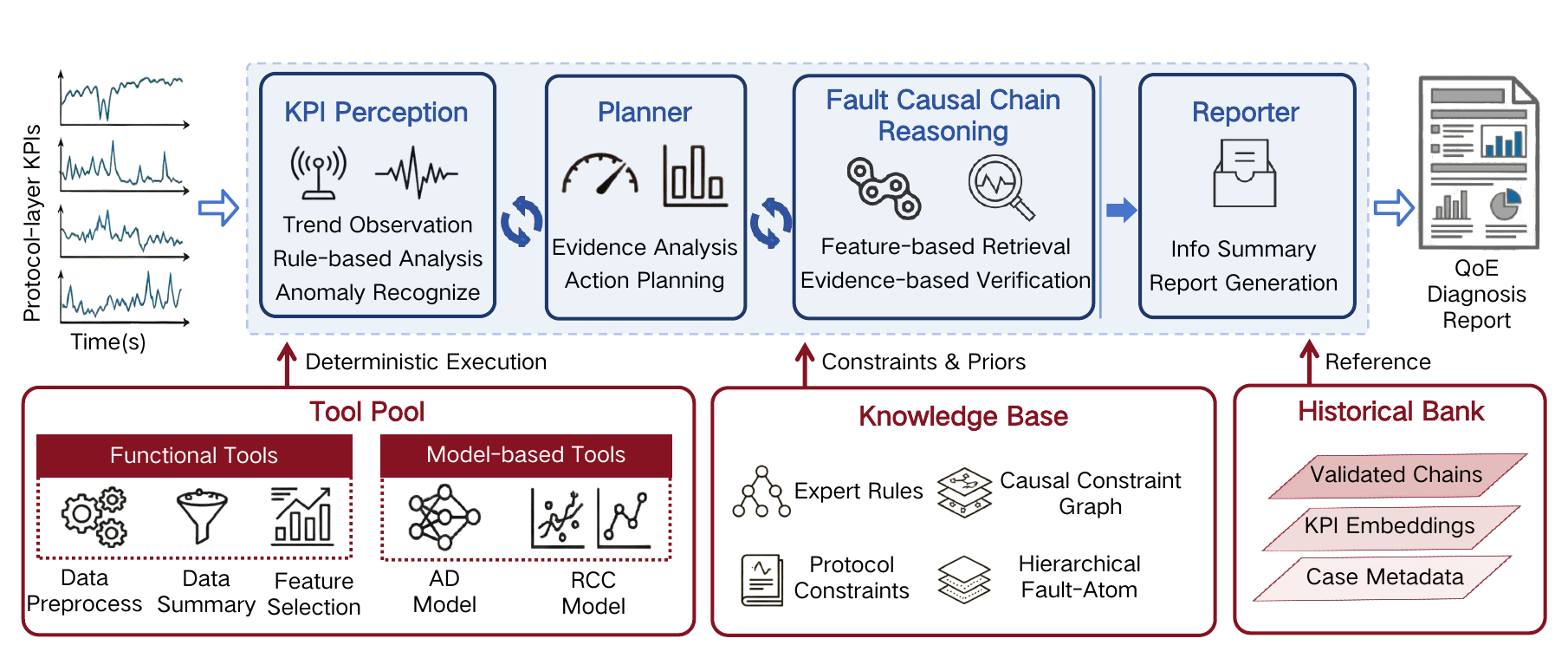
System overview of the QoEReasoner diagnostic framework
System overview from the paper.
First authorSubmitted · CCF AAI for NetworksAgentic diagnosis

QoEReasoner: An Agentic Reasoning Framework for Automated and Explainable QoE Diagnosis in RANs

Q. Li, H. Chen, S. Dai, Z. Li, Z. Hu, X. Li, G. Zhu, Q. Shi

Submitted to IEEE Journal on Selected Areas in Communications (JSAC); arXiv preprint

QoEReasoner is an end-to-end agentic system for explainable RAN diagnosis. Deterministic tools convert KPIs into evidence, a domain knowledge base constrains causal propagation, and a stateful planner coordinates anomaly detection and root localization.
202602
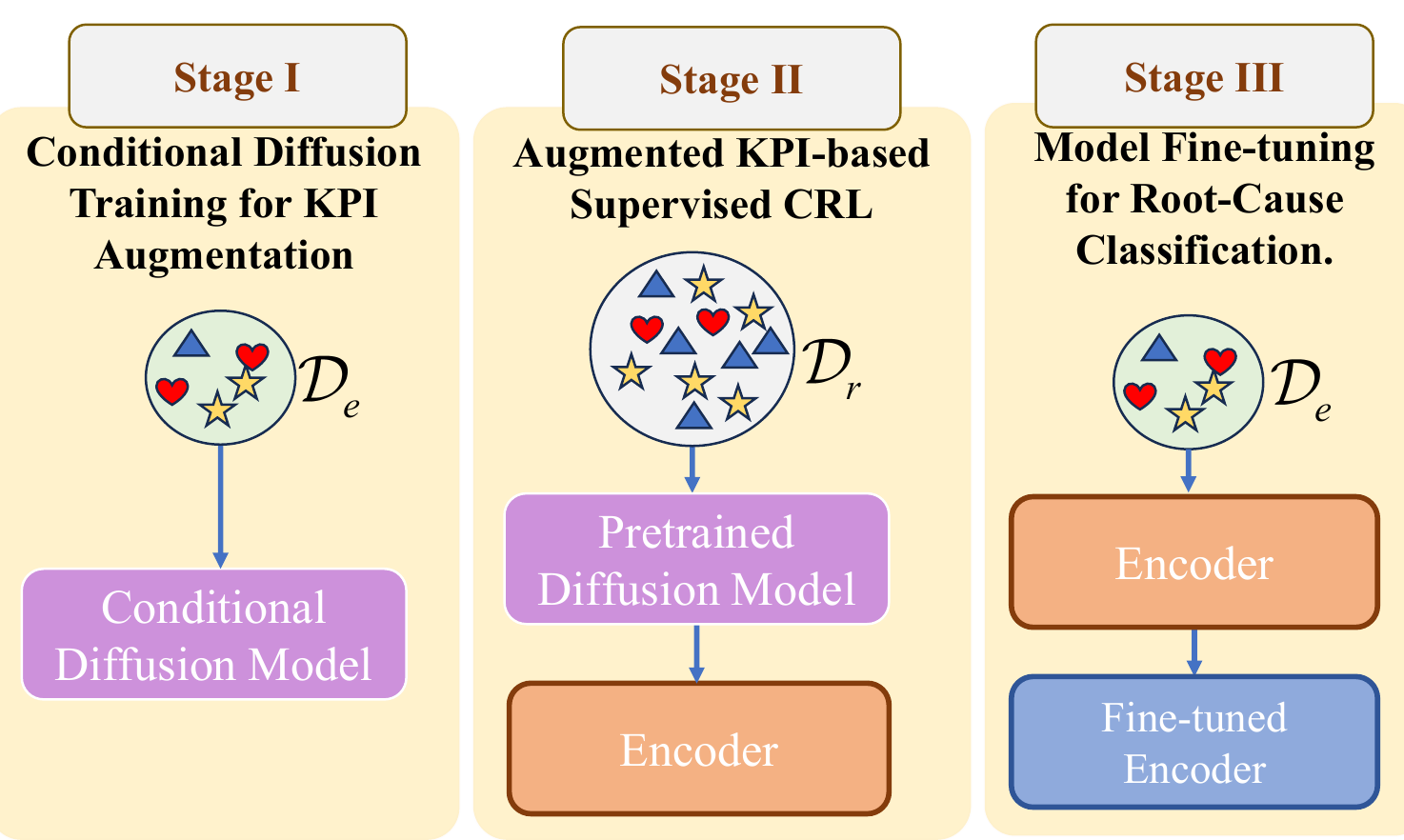
Three-stage overview of the DK-Root framework
Method overview from the paper.
First authorCCF AAI for NetworksRoot-cause analysis

DK-Root: A Joint Data-and-Knowledge-Driven Framework for Root Cause Analysis of QoE Degradations in Mobile Networks

Q. Li, H. Chen, J. Li, S. Chai, X. Li, Y. Hou, X. Shao, F. Li, K. Han, G. Zhu

IEEE Transactions on Networking

DK-Root combines weak operational rules with scarce expert labels for mobile-network QoE diagnosis. Contrastive pretraining mitigates rule noise, conditional diffusion supplies task-faithful augmentation, and expert-guided fine-tuning sharpens the final classifier.

202603
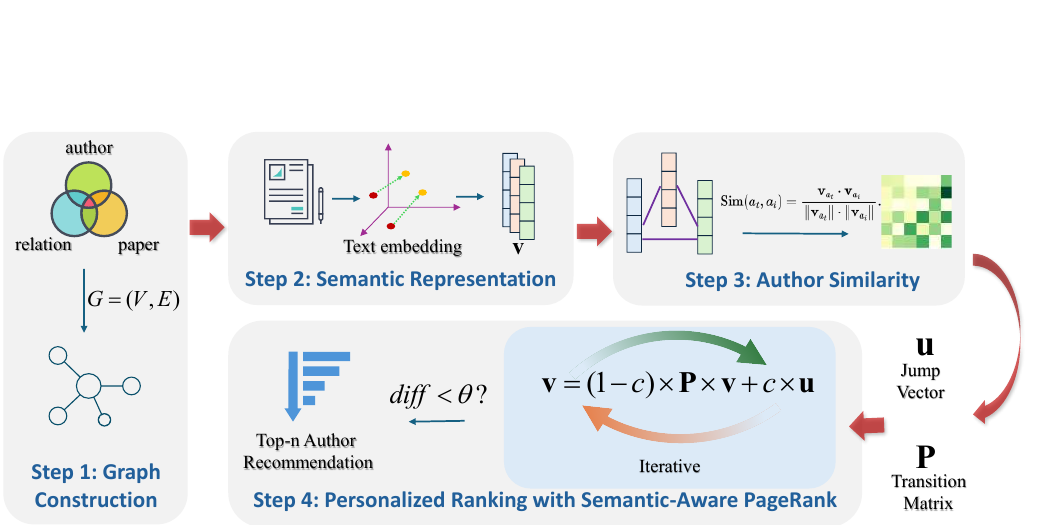
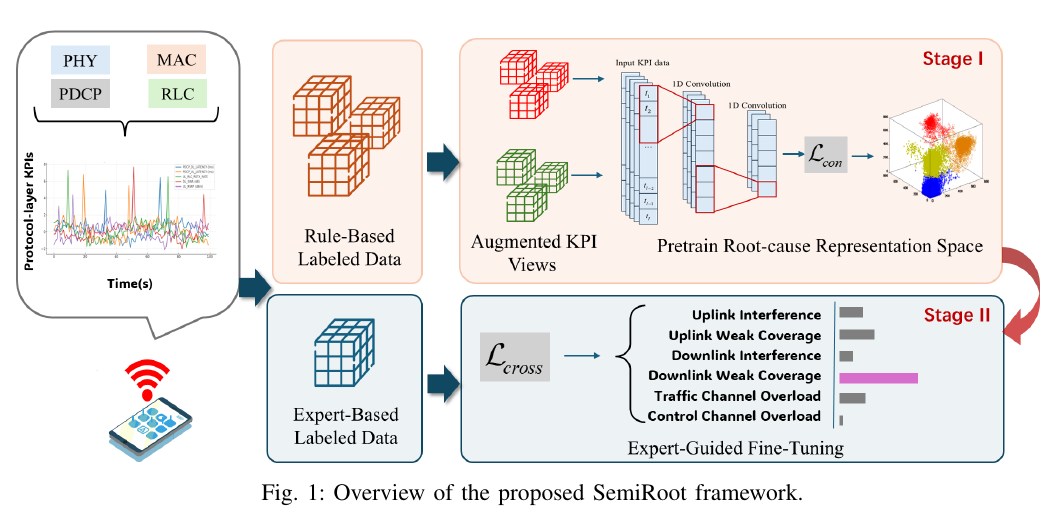
Overview of the two-stage SemiRoot framework
Framework overview from the paper.
First authorAI for NetworksSemi-supervised learning

SemiRoot: A Semi-Supervised Deep Learning Framework for Root-Cause Analysis of QoE Degradations in Mobile Networks

Q. Li, H. Chen, S. Fu, Z. Zou, G. Zhu

IEEE ICC Workshops

SemiRoot addresses label scarcity through a two-stage semi-supervised framework. Rule-guided contrastive learning structures the representation space before a small set of expert labels calibrates the decision boundaries.

202306
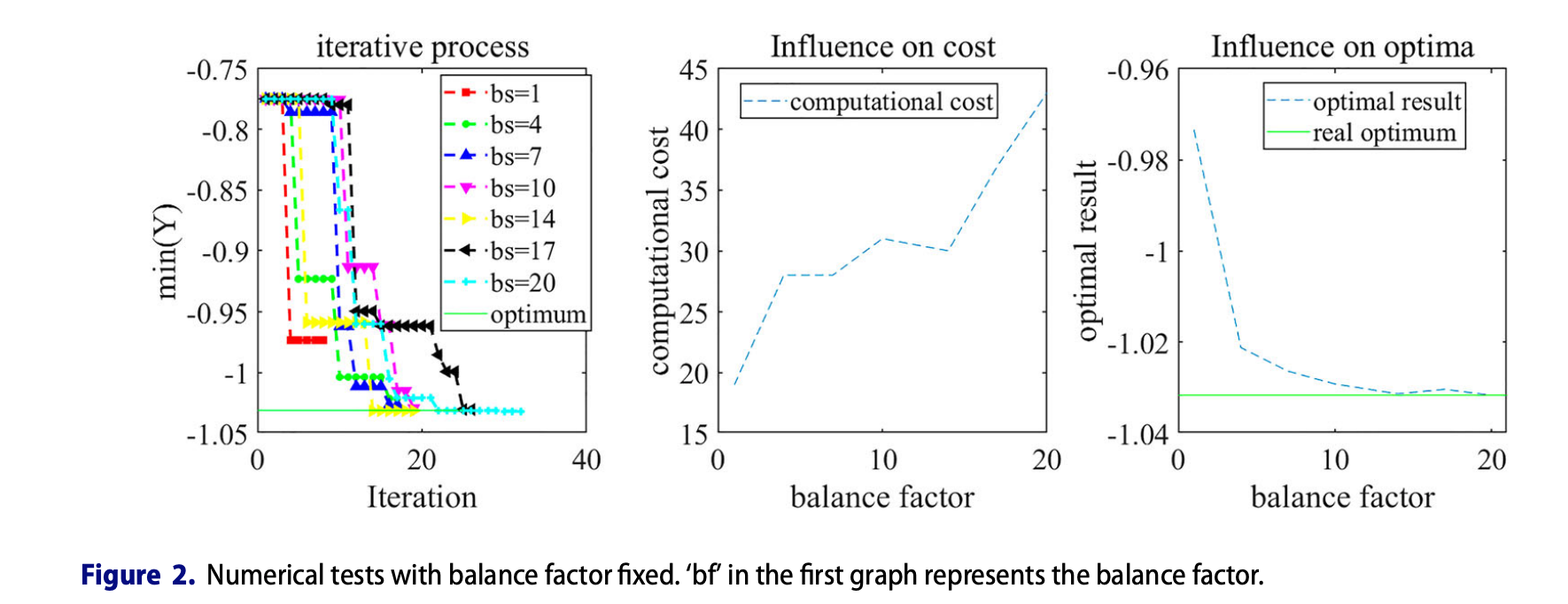
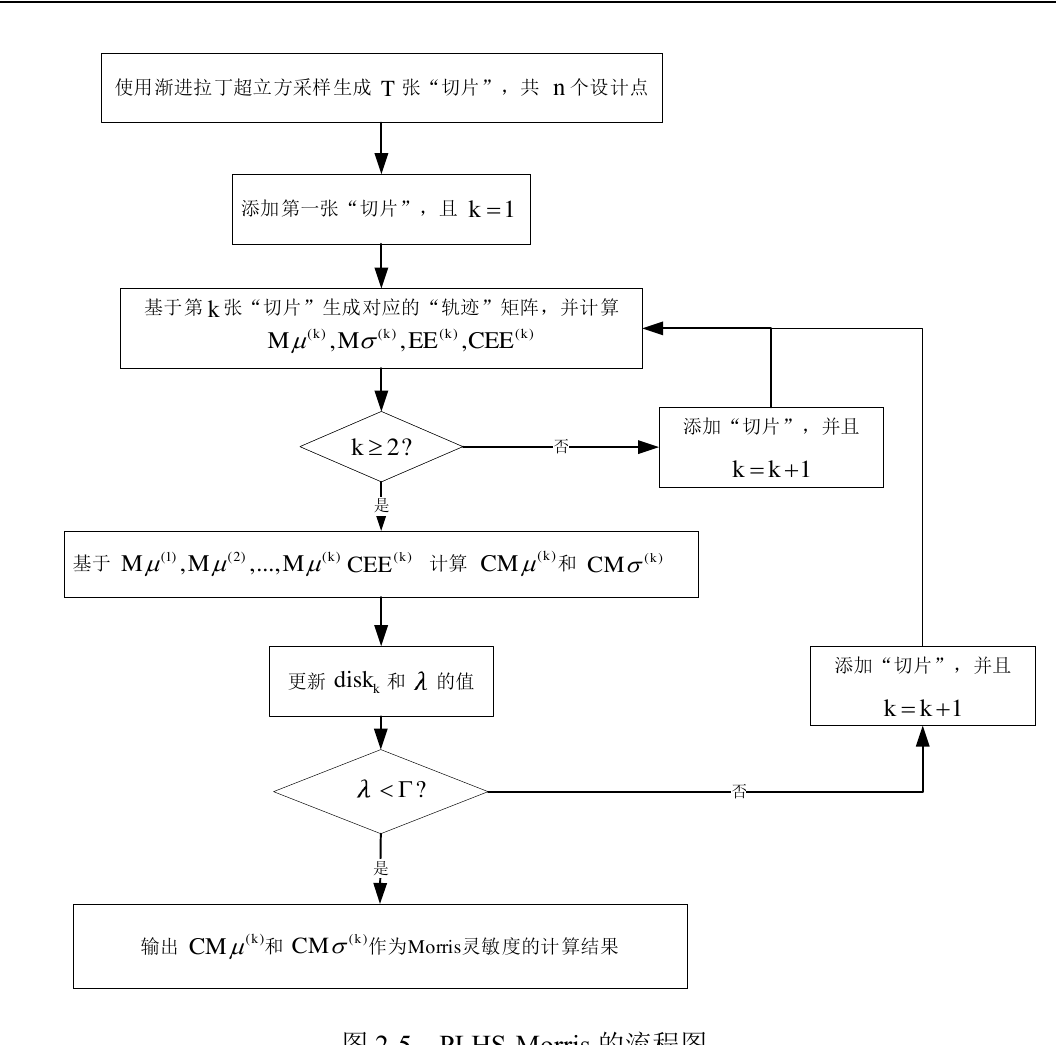
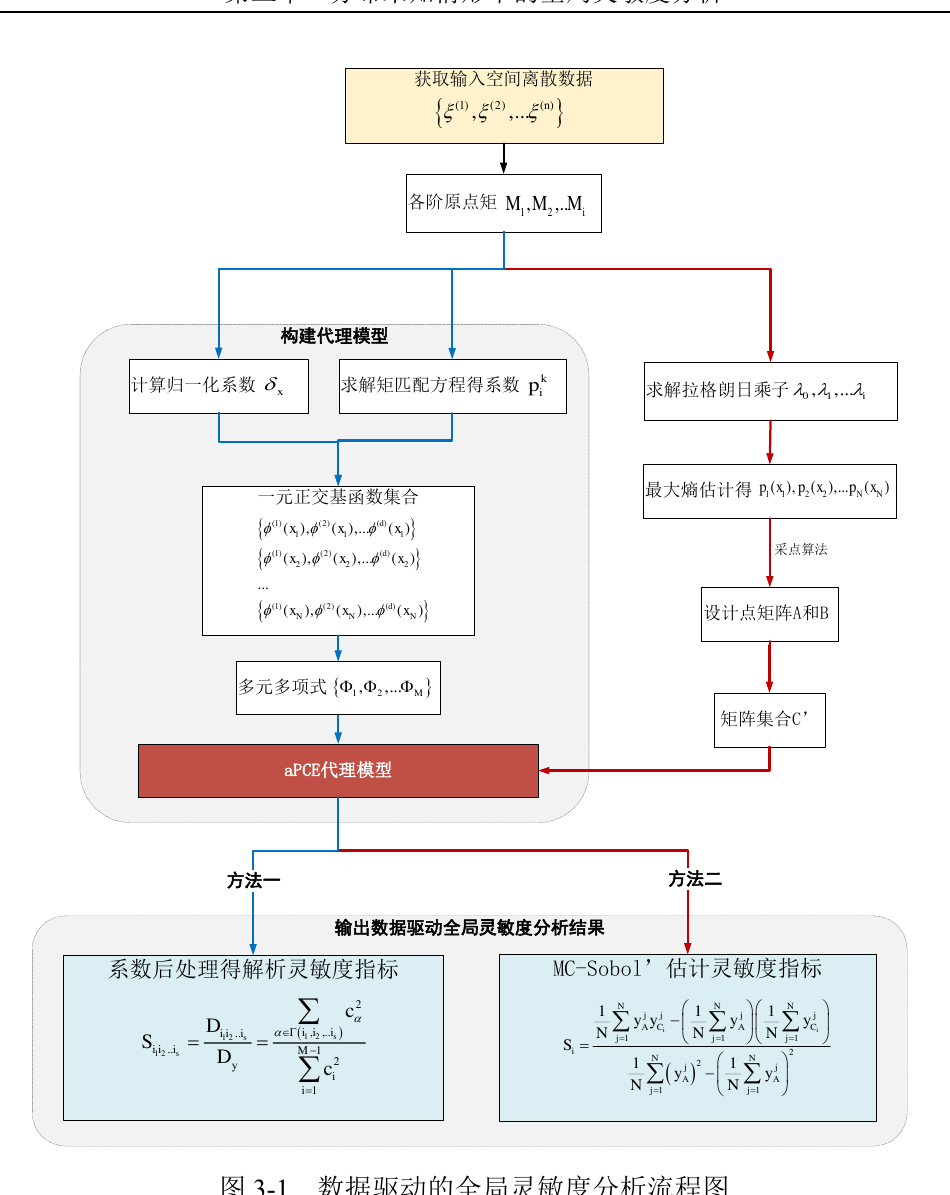
Flow chart of the enhanced Morris framework
Figure from the paper.
First authorUncertainty QuantificationSensitivity analysis

An enhanced framework for Morris by combining with a sequential sampling strategy

Q. Li, H. Huang, S. Xie, L. Chen, Z. Liu

International Journal for Uncertainty Quantification

A sequential Morris framework reduces the cost of sample-based sensitivity analysis. Progressive Latin hypercube sampling preserves space-filling properties while an adaptive stopping rule avoids unnecessary model evaluations.

202307
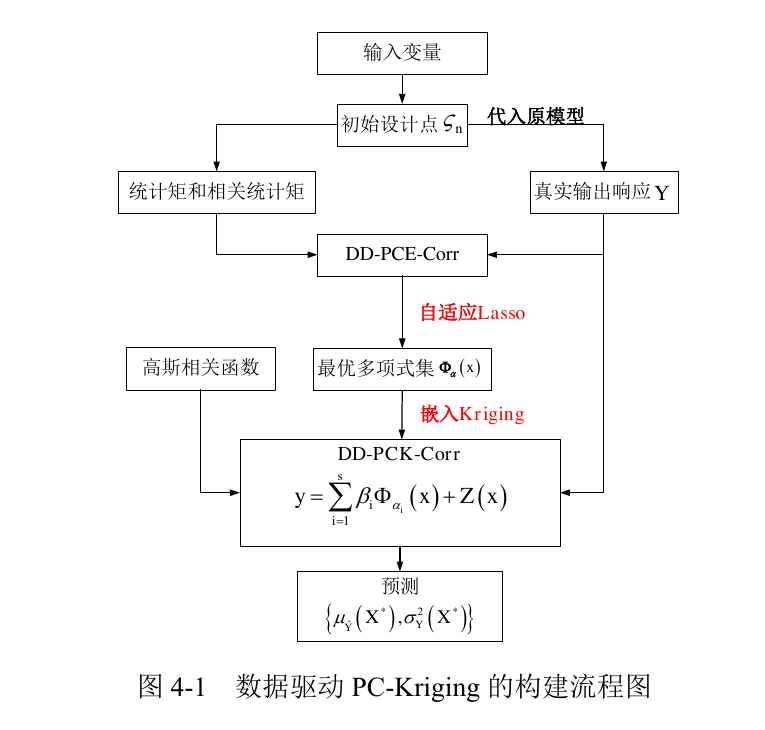
Construction process of the data-driven PC-Kriging method
Figure from the paper.
Uncertainty QuantificationSurrogate modeling

A data-driven PC-Kriging method considering correlated variables

Y. Li, Q. Li, H. Huang

International Conference on Algorithms, Computing and Artificial Intelligence

This paper develops a data-driven polynomial-chaos Kriging method for systems with correlated inputs. Adaptive Lasso selects a compact polynomial basis before it is embedded in a Kriging model.

🎓 Education & Experience

  1. Shenzhen Research Institute of Big Data

    Visiting Student

  2. The Chinese University of Hong Kong, Shenzhen

    Ph.D. · Computer & Information Engineering

  3. ICBC Software Development Center, Guangzhou

    Financial Technology Manager

  4. Sun Yat-sen University

    M.Sc. · Mathematics

  5. East China Jiaotong University

    B.Sc. · Information & Computing Science

🏆 Honors & Awards

  • First-Class Graduate Scholarship, Sun Yat-sen University (2021–2023, consecutive academic years)
  • Xu Zhongwei Scholarship, Sun Yat-sen University
  • Third Prize, Graduate Division, 12th MathorCup University Mathematical Modeling Challenge
  • Second Prize, 2nd National College Mathematics Ability Challenge
Research Taste

Which problems are merely technically feasible—and which ones truly matter?

Which incremental change actually alters the nature of the problem?

Which question could allow a reviewer to puncture the whole argument?

So what? · Why now? · Why is the existing solution insufficient? · What changes after your method succeeds?